
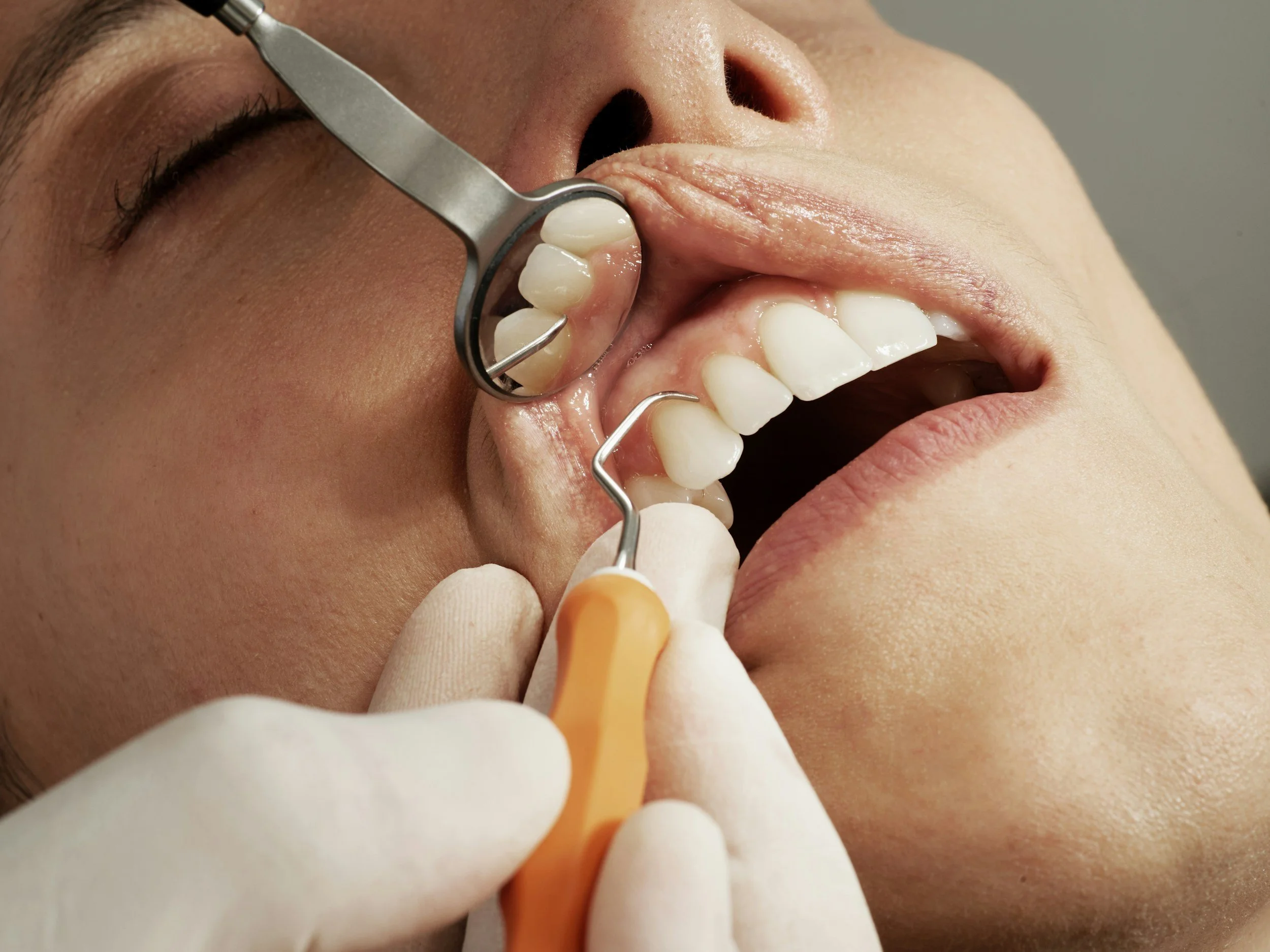
Root canal therapy is a treatment used to save a tooth that has become infected or severely damaged. During the procedure, the infected tissue inside the tooth is carefully removed, and the tooth is cleaned, sealed, and protected with a dental crown. This helps relieve pain, stop the spread of infection, and preserve your natural tooth. Root canal treatment is a common, comfortable procedure that allows you to keep your smile healthy and functional.
ROOT CANAL THERAPY
Frequently Asked Questions
Still have questions? Give our front office a call and they will do their best to assist you!
-
During a root canal, we will remove the infected pulp and replace it with a rubber sealant. The tooth is then covered with a protective crown, which reinforces the tooth against future fractures and enhances the tooth's appearance. Root canals have an extremely high success rate in saving teeth that would otherwise be lost to infection.
-
You may need a root canal when the inside of a tooth becomes infected or inflamed due to deep decay, a crack, or trauma. Common signs include persistent tooth pain, sensitivity to hot or cold, swelling around the gums, or discomfort when chewing. In some cases, there may be little to no pain, and the problem is only found during an exam or X-ray. A root canal is recommended to remove the infection, relieve symptoms, and save the natural tooth before the damage worsens.
-
Root canal recovery time can vary depending on the severity of the infection, the complexity of the procedure, and the individual’s overall health. In general, it’s common to experience some pain or discomfort for a few days after the procedure.
Most people are able to return to their normal activities, including work or school, within a day or two after the procedure. However, it is recommended to avoid strenuous physical activity for a few days and to eat soft foods to avoid putting pressure on the affected tooth.
-
The only alternative to root canal therapy is tooth extraction.