
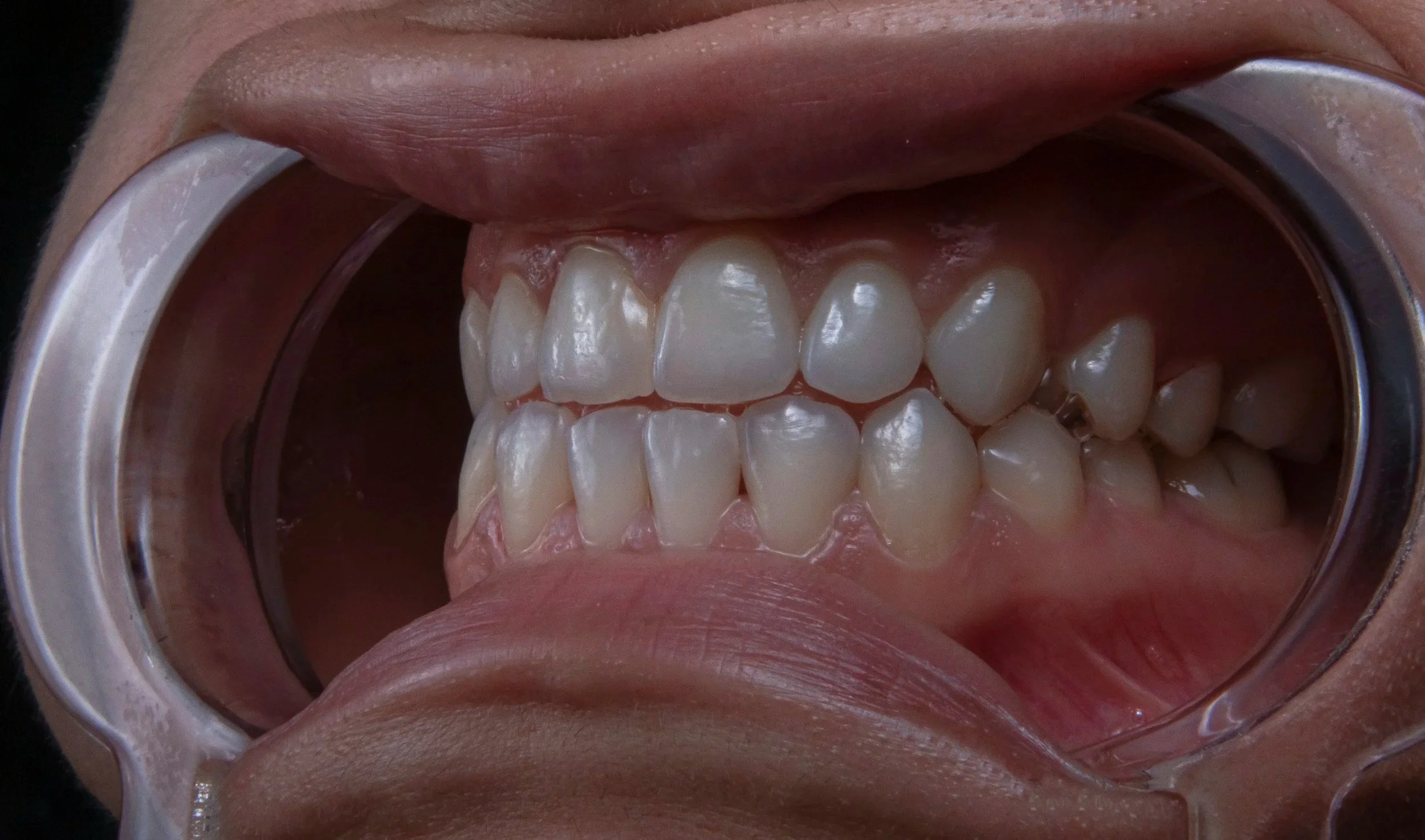
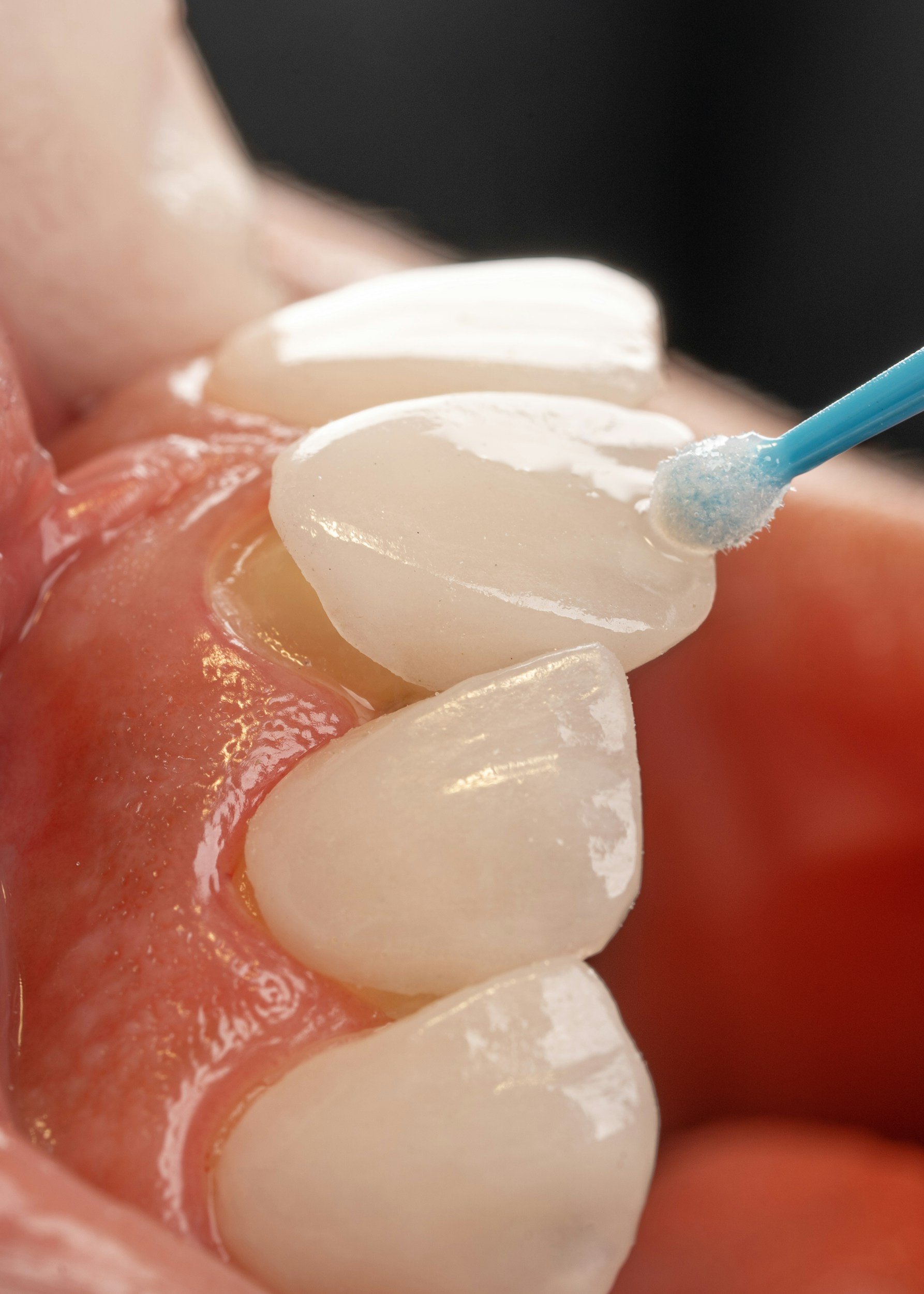
When you come to us with a broken tooth or signs of decay, we begin by carefully assessing the extent of the damage to determine the most appropriate treatment. At some point, almost everyone experiences tooth decay at some point in their life, early detection is key to preventing more serious and costly dental problems. Depending on the severity of the issue, Dr. Peaks, Dr. Coogler, or Dr. Alex may recommend treatments such as dental bonding, a filling, a dental crown, or a root canal. In more extreme cases, tooth extraction or full tooth replacement may be necessary. Restorative dentistry addresses every stage of tooth damage, from minor cavities to complete tooth loss. Our top priority is always to preserve your natural tooth whenever possible while providing the best solution for your individual needs.
RESTORATATIVE CARE
Frequently Asked Questions
Still have questions? Give our front office call and they will do their best to assist you!
-
We offer services such as, fillings, inlays, onlays, dental crowns, fixed bridges, root canal therapy, extractions, dentures and dental implants. If you’re interested in more cosmetic treatment, head over to that page here.
-
A filling is used to repair a small area of tooth decay or minor damage by replacing the affected portion of the tooth, helping restore its shape and function. A crown, on the other hand, covers the entire tooth and is used when there is extensive decay, cracking, or weakening that a filling alone cannot support. A crown is chosen over a filling when the tooth needs extra strength and protection to prevent further damage or fracture.
-
Inlays and onlays are custom-made dental restoration for damaged teeth, offering a stronger, more durable alternative to fillings for larger decay, where an inlay fits within the tooth's cusps (pointy parts) and an onlay covers one or more of those cusps, extending over the tooth's surface. They are made from materials like porcelain or gold, preserving more natural tooth structure than crowns but restoring more than a standard filling.
-
You should consider a dental crown if you have a tooth that is chipped, cracked, badly decayed, or otherwise weakened. At our office, we strive to make these areas of concern known during your preventative appointments!
-
A fixed bridge is a permanent, non-removable dental 3 unit dental crown that replaces one or more missing teeth by "bridging" the gap. It will take the adjacent natural teeth (abutments) and anchor artificial teeth (pontics) in place, restoring your bite, smile, and ability to eat and speak comfortably.